
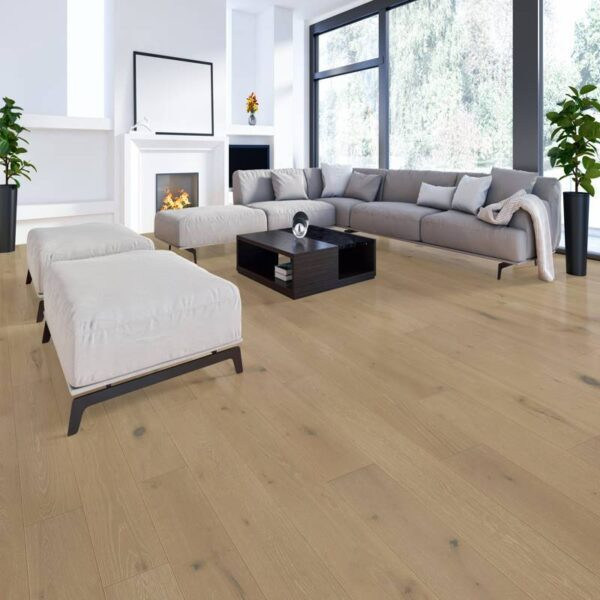
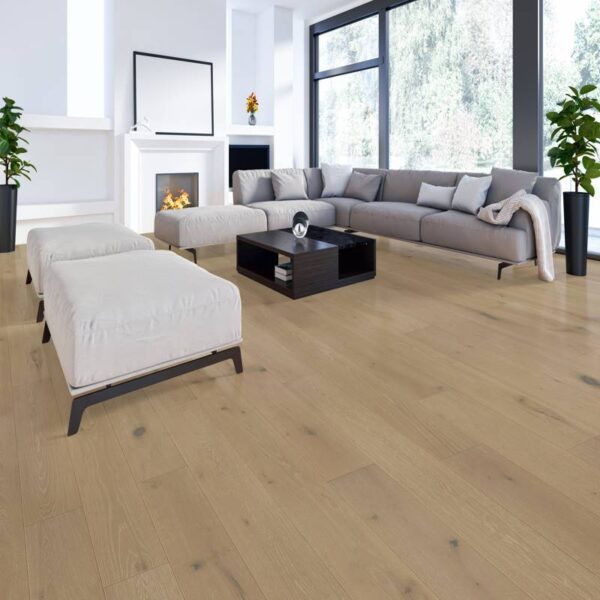
As more Edmonton homeowners look for ways to reduce their environmental footprint, hardwood flooring is getting a sustainability spotlight. The classic appeal of wood floors hasn’t changed—but what has is the growing awareness of how our flooring choices affect the planet. At the centre of this conversation is a question many are asking: Is engineered hardwood flooring actually more sustainable than solid hardwood? From the way each is manufactured to their long-term durability and recyclability, this blog breaks down the green factors to consider. Whether you’re renovating, building new, or simply planning ahead, visit Flooring Superstores for expert advice and a wide selection of eco-friendly hardwood flooring options in Edmonton.
Why Sustainability Matters in Hardwood Flooring Choices in Edmonton
The Rise of Eco-Conscious Home Renovations
In recent years, Edmonton homeowners have been prioritizing energy efficiency, reduced waste, and low-impact materials in their home projects. Sustainable flooring is now a key piece of this puzzle, offering not only aesthetic value but also environmental benefits. Hardwood flooring, in particular, is undergoing a green transformation.
How Flooring Decisions Affect Environmental Impact
Every flooring decision impacts resource consumption, energy use, and waste. From the harvesting of raw materials to production methods and end-of-life disposal, the entire lifecycle of your hardwood flooring plays into its environmental footprint. That’s why it’s so important to understand the differences between solid and engineered hardwood flooring.
Understanding Solid vs. Engineered Hardwood Flooring
What Defines Solid Hardwood Flooring
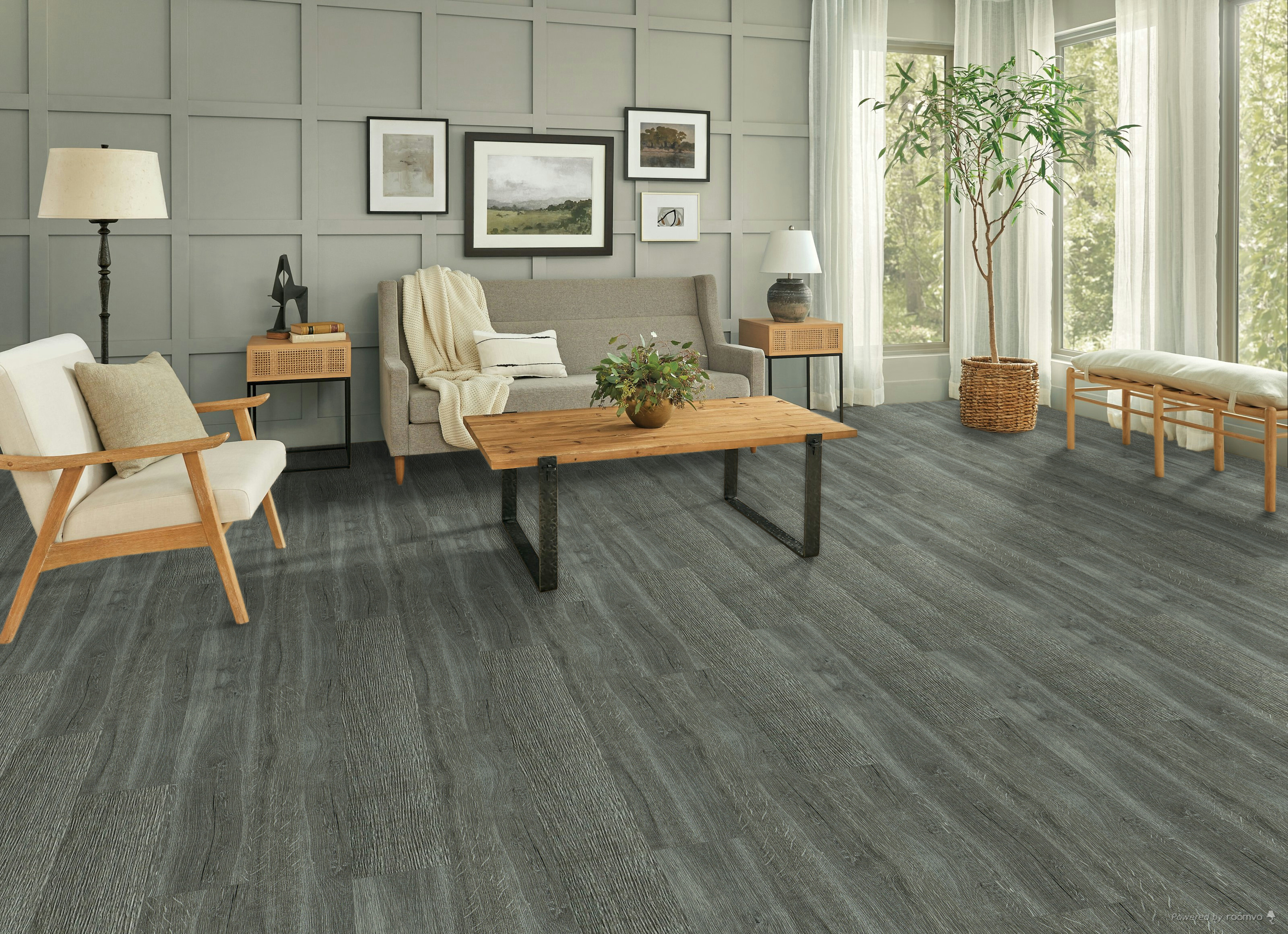
Solid hardwood flooring is made from a single piece of timber, milled directly from the tree. It’s prized for its natural beauty and longevity, and it can be sanded and refinished multiple times. However, because it uses large planks of hardwood, it requires more raw material per square foot.
How Engineered Hardwood Flooring Is Manufactured
Engineered hardwood flooring is made with a real wood veneer on top and multiple layers of plywood or high-density fibreboard beneath. This layered construction allows for greater stability and less expansion and contraction with humidity changes—ideal for Edmonton’s fluctuating climate.
Fuzion’s Role in Advancing Engineered Wood Technology
Brands like Fuzion are pushing the boundaries of engineered hardwood flooring, combining innovation and sustainability. Fuzion’s products often feature responsibly sourced wood, advanced finishes for extended wear, and manufacturing techniques designed to minimize waste.
Resource Use and Environmental Impact of Hardwood Flooring
Veneer Layers vs. Full Plank Construction
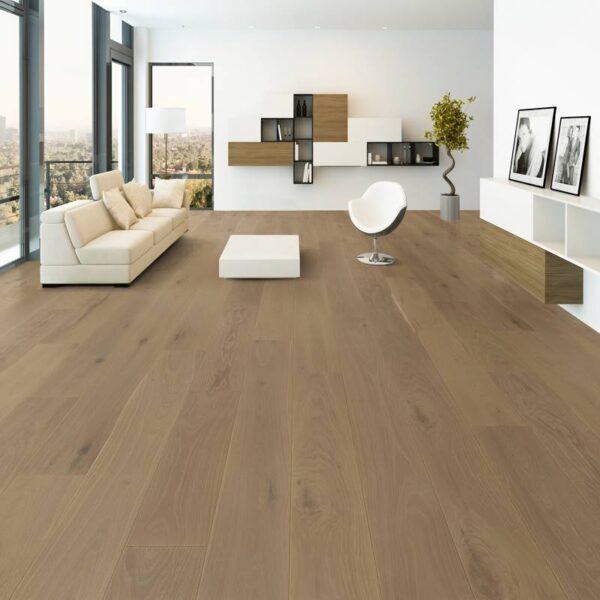
One of the biggest sustainability advantages of engineered hardwood flooring is its use of thin veneer layers rather than full planks. This means more flooring can be produced from the same amount of hardwood, reducing demand on forests and helping conserve valuable resources.
Efficient Use of Wood Resources in Engineered Hardwood Flooring
Engineered options make better use of the wood harvested, especially from slow-growing hardwood species. With layered construction, less premium wood is needed without sacrificing surface appearance or performance.
Comparing Carbon Footprints of Solid and Engineered Options
Engineered hardwood flooring typically has a lower carbon footprint during manufacturing due to reduced wood usage and lighter weight during shipping. That said, solid hardwood may have an edge in longevity, which can offset its higher initial impact if it remains in use for several decades.
Durability and Longevity in Edmonton Homes
How Solid Hardwood Flooring Performs Over Decades
Solid hardwood can last 80–100 years with proper care and refinishing. This makes it a long-term investment, though it may be more susceptible to moisture-related warping without proper installation and maintenance.
Advances in Engineered Hardwood Flooring Durability
Today’s engineered hardwood flooring options are more durable than ever, thanks to high-performance coatings and core technologies. In many cases, they now match or exceed the performance of solid wood, especially in high-traffic or moisture-prone areas like basements and kitchens.
Balancing Lifespan with Sustainability Goals
While solid hardwood may last longer, engineered hardwood flooring often offers a better balance of resource efficiency, performance, and environmental benefit—particularly when installed in rooms where traditional wood might not be suitable.
End-of-Life Considerations for Hardwood Flooring in Edmonton
Recycling Options for Solid Hardwood Floors
Solid hardwood is typically easier to reclaim and reuse. It can be repurposed into furniture, wall panels, or even reinstalled in new spaces, extending its life cycle.
How Engineered Hardwood Flooring Is Recycled or Repurposed
Engineered hardwood flooring is more complex to recycle due to its layered construction and adhesives. However, some products—particularly those from eco-focused brands—are designed with disassembly and repurposing in mind.
Disposal Challenges and Innovations in Sustainability
While disposal remains a challenge for both types, innovations are emerging. Some manufacturers now design flooring with non-toxic glues or recyclable cores, making engineered hardwood more end-of-life friendly than in the past.
What Green Building Certifications Say About Hardwood Flooring
LEED and Other Certifications for Sustainable Materials
Certifications like LEED, FloorScore, and FSC help homeowners identify hardwood flooring products that meet strict environmental and health criteria. These programs consider everything from sourcing and manufacturing to indoor air quality.
How Fuzion and Other Brands Align with Green Standards
Fuzion’s engineered hardwood flooring options often meet or exceed green certification standards, ensuring their products are both stylish and sustainably made.
Why Certifications Matter for Edmonton Homeowners
Choosing certified hardwood flooring ensures you're making a choice that supports sustainable forestry, responsible manufacturing, and a healthier home environment—key for any Edmonton household committed to green living.
Making the Right Choice for Sustainable Hardwood Flooring in Edmonton
Weighing Eco-Impact Against Lifestyle and Budget
Every home is different. Consider your household needs, traffic levels, and long-term goals when deciding between solid and engineered options. While sustainability is important, it must align with practical day-to-day use.
When Engineered Hardwood Flooring Makes More Sense
Engineered hardwood flooring is often the more sustainable option when you factor in resource use, manufacturing efficiency, and versatility. It’s a smart choice for Edmonton homes that experience seasonal changes and varying moisture levels.
When Solid Hardwood Flooring Is Still the Better Option
If you're restoring a heritage home or looking for a floor that can be refinished multiple times, solid hardwood flooring may still be the right pick—especially when sourced responsibly.
Choose Sustainable Hardwood Flooring with Edmonton Experts
How Local Guidance Helps Match Style with Sustainability
Flooring decisions are easier when you have expert advice. Edmonton flooring specialists understand the unique challenges of our climate and can recommend the best hardwood flooring to meet your sustainability and style goals.
Why Partnering with Edmonton Flooring Specialists Ensures Smarter Choices
When you shop local at Flooring Superstores, you get more than just flooring—you get trusted guidance, eco-friendly options, and a team committed to helping you make the best choice for your home and the planet. Ready to explore sustainable hardwood flooring for your Edmonton home? Visit Flooring Superstores today and let our experts help you find the perfect balance between beauty, durability, and environmental responsibility.